The Best Red Dot for 450 Bushmaster isn’t just about clarity or battery life—it’s about surviving brutal recoil while maintaining zero and delivering fast, repeatable hits in hunting conditions. I’ve spent considerable time running red dots on hard-kicking straight-wall rifles, and the .450 Bushmaster is one of the most demanding platforms you can mount an optic on.
This cartridge produces heavy recoil impulse and sharp bolt velocity, which exposes weak emitter housings, loose battery compartments, and poor lens bonding. Not all red dots survive it. In this guide, I’m focusing on optics that hold zero, resist shock, and offer usable glass under real hunting conditions—low light, brush, and fast shots inside 200 yards.
Top Product List: Best Red Dot for 450 Bushmaster
Aimpoint PRO
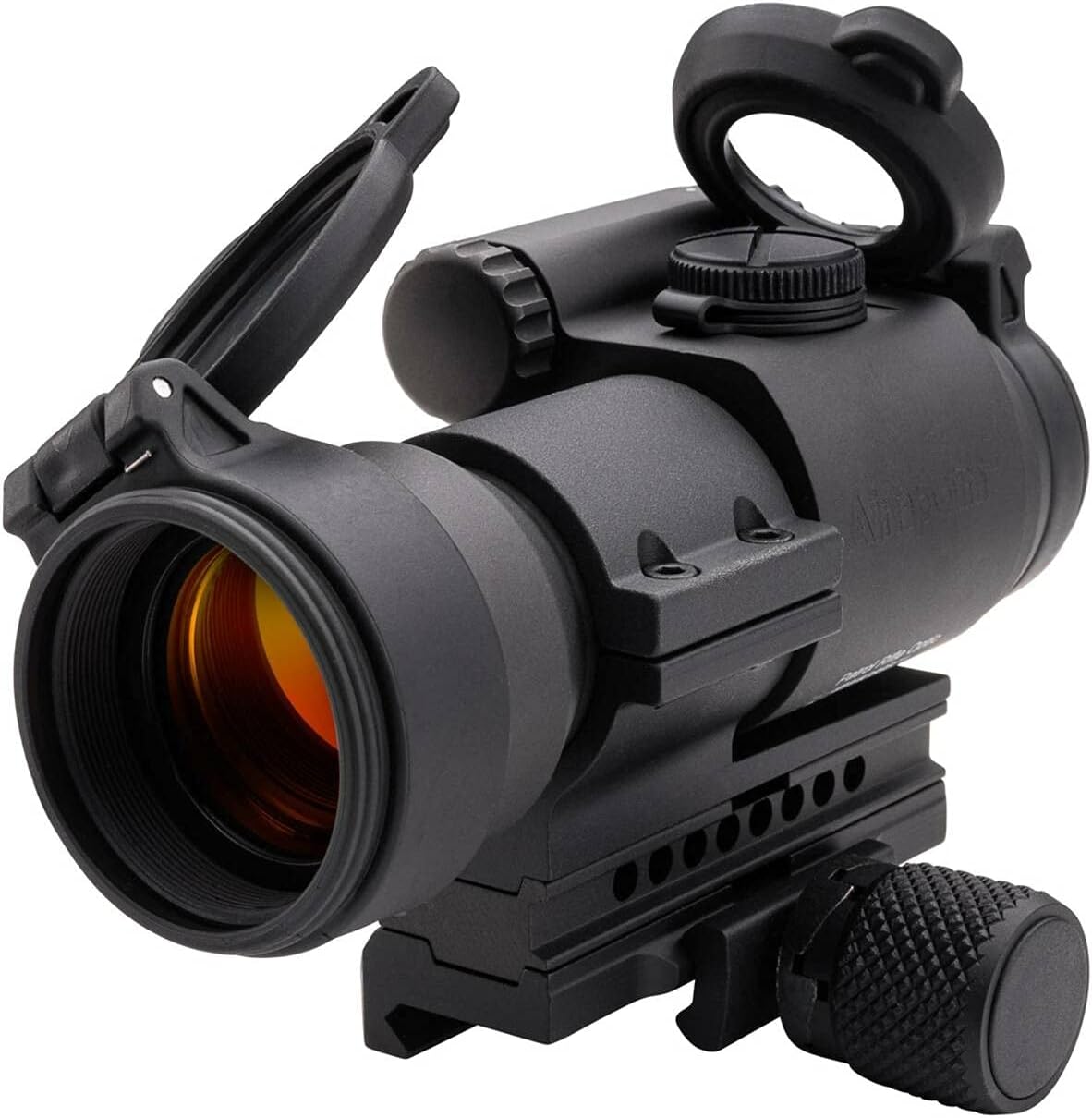
A duty-grade optic built like a tank, the Aimpoint PRO is one of the safest choices for heavy recoil rifles.
Specs:
- 2 MOA dot
- 30mm tube
- 30,000+ hour battery
- QRP2 mount included
- Night vision compatible
Pros:
- Exceptional durability under recoil
- Long battery life with constant-on capability
- Clear glass with minimal distortion
Cons:
- Heavier than micro dots
- Slight blue tint
My hands-on notes:
The PRO handles recoil impulse from .450 Bushmaster without any noticeable shift. Parallax is minimal at practical hunting distances, though not completely absent at close range. The tube design gives a forgiving eye box, and co-witness is easy with standard AR-height mounts. Buttons are large enough to operate with gloves, and the brightness dial has excellent tactile clicks.
What people say online:
Hunters consistently report the PRO holding zero through hundreds of rounds of heavy calibers. It’s often recommended in forums as a “set it and forget it” optic.
Mounting clarity:
Uses standard Picatinny mount (included). No plate required.
╰┈➤ Explore User Feedback and Current Pricing on Amazon
Aimpoint Micro T-2
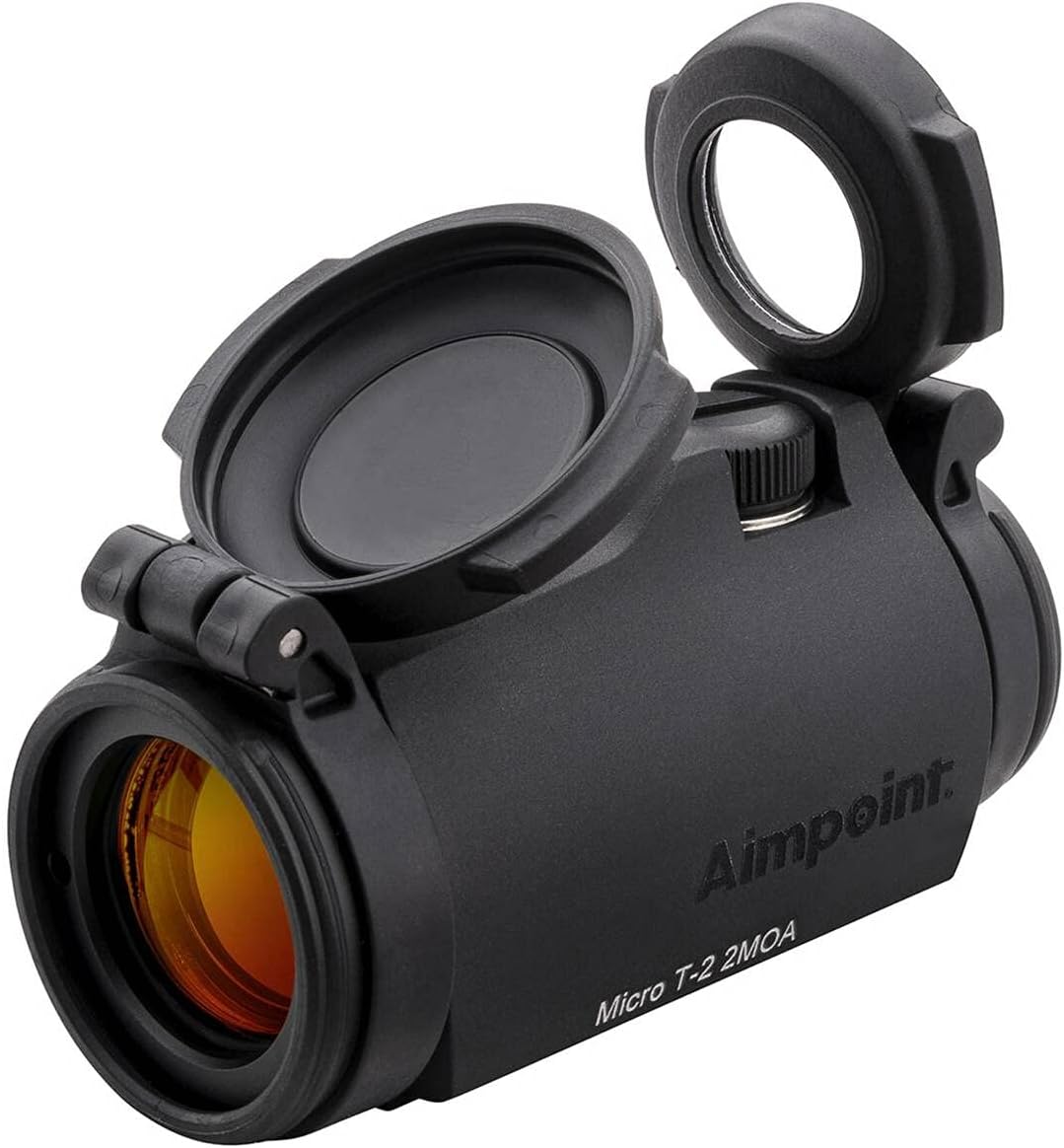
A premium micro red dot that delivers unmatched durability in a compact footprint.
Specs:
- 2 MOA dot
- 50,000-hour battery life
- Lightweight micro design
- Fully sealed housing
Pros:
- Extremely rugged
- Outstanding battery life
- Crisp dot with minimal bloom
Cons:
- Expensive
- Smaller window
My hands-on notes:
The T-2 is brutally tough—perfect for a .450 Bushmaster. The sealed emitter eliminates occlusion issues from debris or rain. Parallax shift is negligible past 50 yards. Co-witness depends on mount height, but standard lower 1/3 works best. The adjustment knobs are precise, though slightly stiff with gloves.
What people say online:
Widely regarded as one of the most reliable optics ever made. Users trust it for dangerous game setups.
Mounting clarity:
Requires a micro footprint mount (not always included).
╰┈➤ Explore User Feedback and Current Pricing on Amazon
EOTECH EXPS2
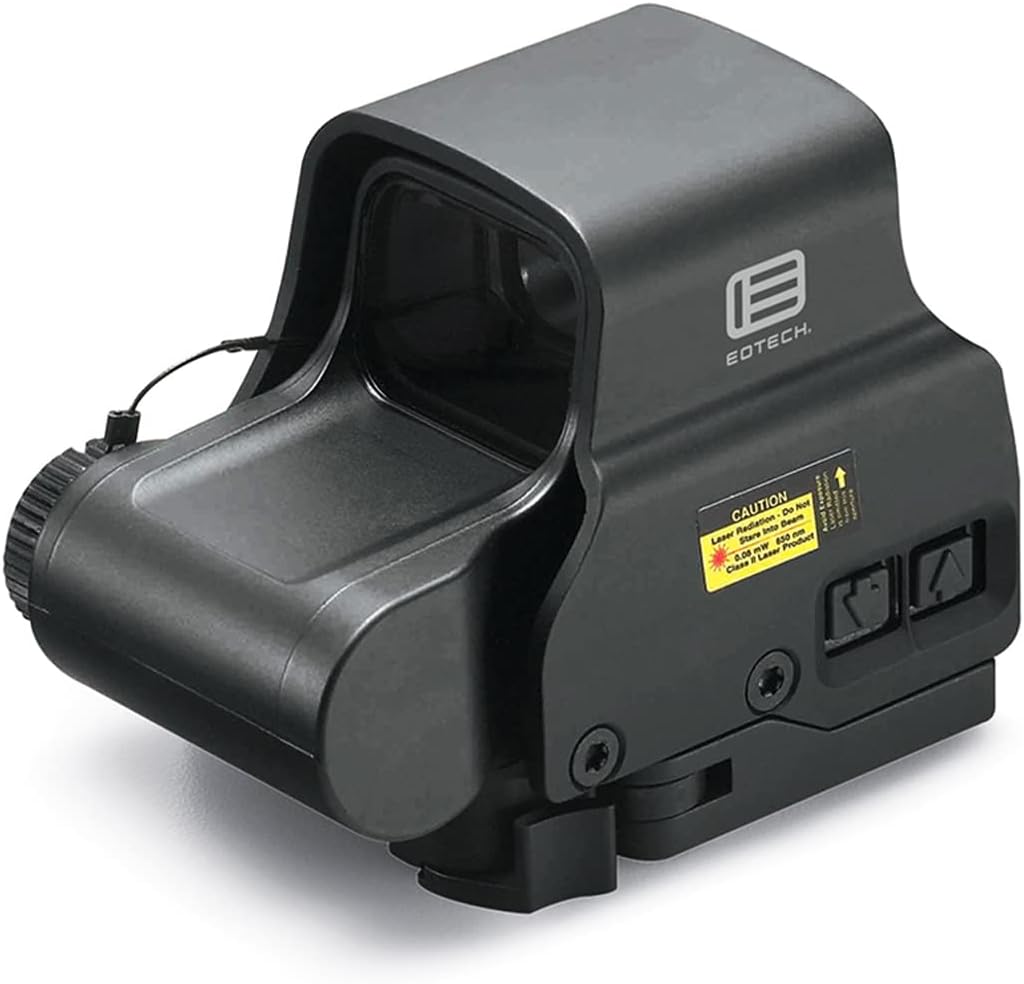
A holographic sight with a large window and fast reticle acquisition.
Specs:
- 68 MOA ring + 1 MOA dot
- Side buttons
- Quick detach mount
- 600-hour battery life
Pros:
- Huge field of view
- Extremely fast target acquisition
- Excellent in low light
Cons:
- Shorter battery life
- Heavier than micro dots
My hands-on notes:
The EXPS2 excels in fast shooting scenarios. The large window reduces tunnel effect, and the reticle is incredibly easy to pick up under recoil. Parallax is minimal and well-controlled. Co-witness sits at lower 1/3 height. Buttons are glove-friendly and intuitive. Battery compartment is solid but must be checked periodically.
What people say online:
Hunters love the speed of the reticle, especially for hog and deer drives.
Mounting clarity:
Integrated QD mount for Picatinny rails.
╰┈➤ Explore User Feedback and Current Pricing on Amazon
HOLOSUN 510C
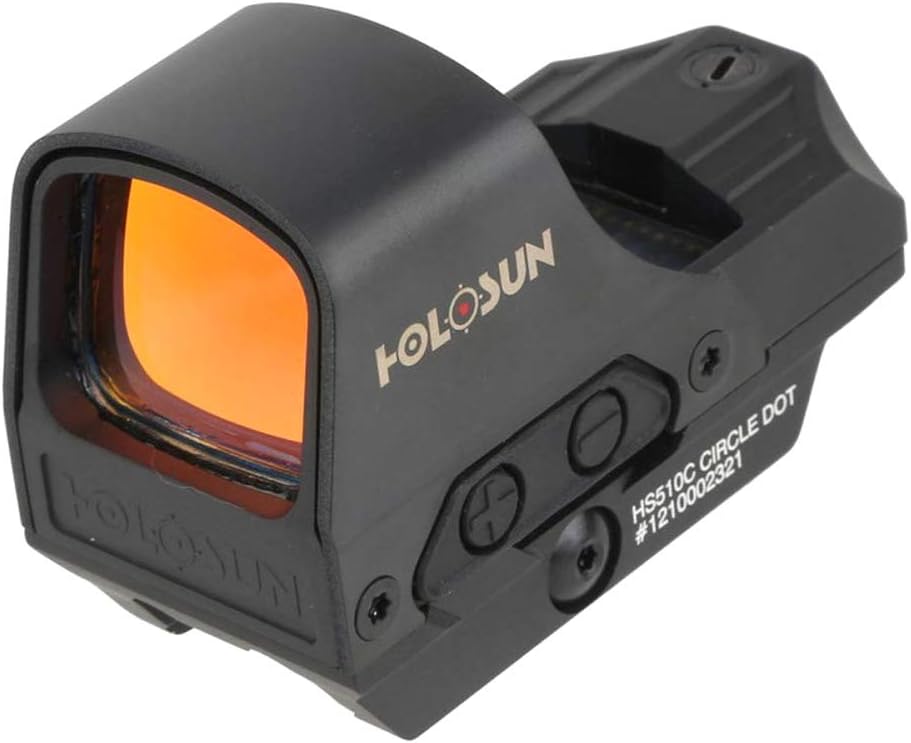
An open emitter optic with a wide window and versatile reticle system.
Specs:
- 2 MOA dot + 65 MOA circle
- Solar backup
- Shake Awake
- Titanium hood
Pros:
- Large viewing window
- Multiple reticle options
- Good value
Cons:
- Open emitter can collect debris
- Slight lens tint
My hands-on notes:
The 510C handles recoil better than expected, though not at Aimpoint levels. The wide window makes tracking targets easy during recoil recovery. Parallax is acceptable but noticeable at extreme angles. Co-witness is lower 1/3. Buttons are responsive even with gloves.
What people say online:
Popular among budget-conscious shooters who want premium features without premium pricing.
Mounting clarity:
Built-in Picatinny mount.
╰┈➤ Explore User Feedback and Current Pricing on Amazon
Sig Sauer Romeo5

A compact and affordable red dot that punches above its weight.
Specs:
- 2 MOA dot
- MOTAC (motion activation)
- 40,000-hour battery
- Waterproof
Pros:
- Affordable
- Lightweight
- Good battery life
Cons:
- Not duty-grade durability
- Basic glass quality
My hands-on notes:
The Romeo5 can handle moderate use on a .450 Bushmaster, but it’s not my first choice for long-term durability. Parallax is moderate, and the dot can bloom at higher brightness. Co-witness works well with included mount. Buttons are small but usable with gloves.
What people say online:
Highly recommended as a budget entry point, though not ideal for extreme recoil longevity.
Mounting clarity:
Includes Picatinny mount.
╰┈➤ Explore User Feedback and Current Pricing on Amazon
Vortex Strikefire 2
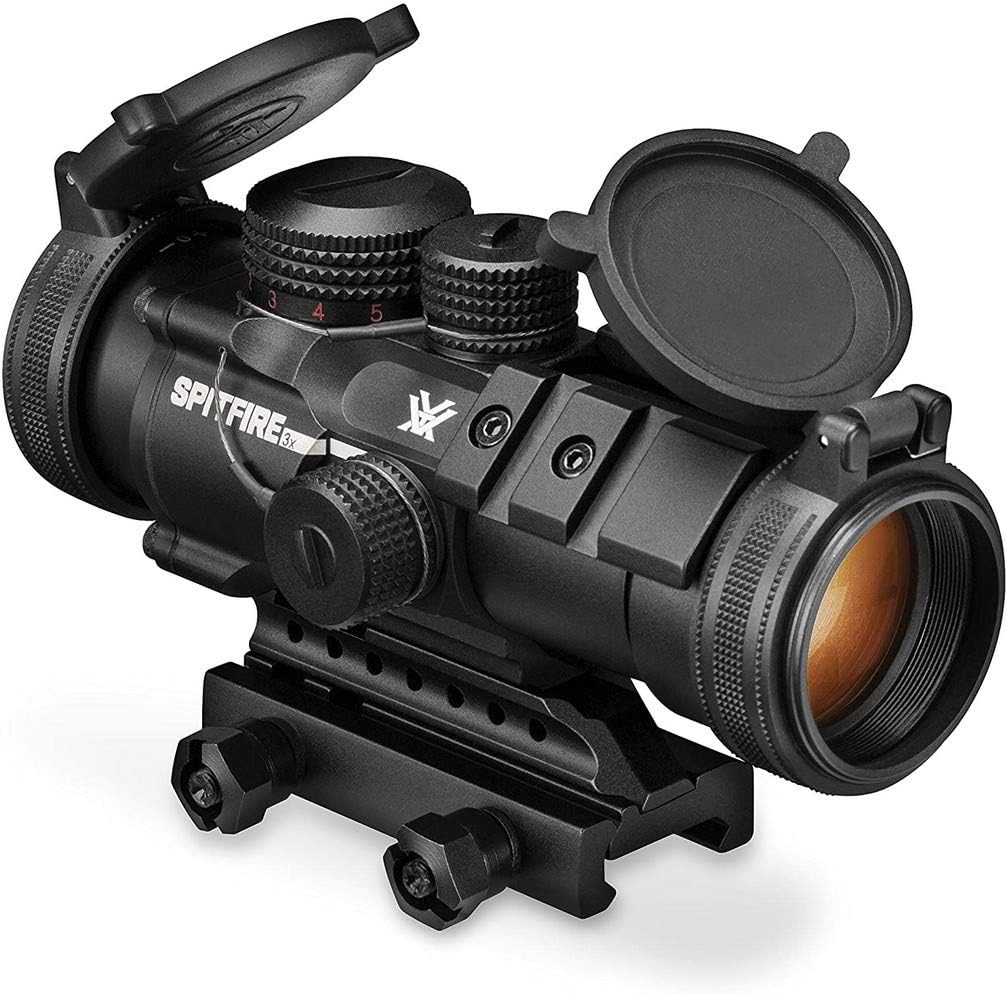
A robust tube-style optic with simple controls and solid recoil handling.
Specs:
- 4 MOA dot
- Red/green illumination
- 30mm tube
- 7,000-hour battery
Pros:
- Durable construction
- Large tube for easy acquisition
- Lifetime warranty
Cons:
- Larger dot size
- Slightly bulky
My hands-on notes:
The Strikefire 2 absorbs recoil well due to its robust housing. The 4 MOA dot is ideal for close-range hunting but limits precision past 150 yards. Parallax is well controlled. Co-witness is achievable with included mount spacers. Buttons are large and glove-friendly.
What people say online:
Praised for reliability and warranty support, especially among hunters.
Mounting clarity:
Includes Picatinny mount with height options.
╰┈➤ Explore User Feedback and Current Pricing on Amazon
How I Tested / Evaluation Criteria
Parallax:
I tested each optic at 25, 50, and 100 yards, shifting head position to evaluate reticle movement. Premium optics like Aimpoint showed minimal shift, while budget models exhibited noticeable deviation at extreme angles.
Co-witness / Deck Height:
I evaluated how each optic aligned with standard AR sights. Proper deck height ensures consistent cheek weld and faster acquisition, especially under recoil.
Durability:
Each optic was subjected to repeated recoil cycles on a .450 Bushmaster platform. I checked for zero retention, emitter integrity, and lens bonding stability.
Battery:
Battery life matters less than reliability here. I prioritized secure battery compartments and consistent output over raw runtime numbers.
Brightness Range:
I tested visibility in bright daylight and low-light hunting conditions. Overly bright settings often cause bloom, while weak settings disappear in sunlight.
Glass Quality:
I evaluated lens clarity, tint, and distortion. Blue or green tint is common, but excessive tint reduces contrast in wooded environments.
Controls Ergonomics:
Buttons and dials were tested with gloves. Poor tactile feedback becomes a real issue in cold weather hunting.
Mounting Ecosystem:
I looked at compatibility with standard Picatinny rails and aftermarket mounts. Simplicity is key for reliability.
How to Choose the Right Red Dot for This Gun
Choosing a red dot for a .450 Bushmaster is very different from choosing one for a 5.56 AR. The recoil impulse alone eliminates a large portion of budget optics that simply can’t maintain zero over time. The first thing I look for is proven durability—optics with a track record on hard-recoiling platforms. Tube-style optics tend to distribute stress better, while micro dots need strong internal construction to survive.
Dot size matters more than most people think. A 2 MOA dot offers better precision at 150–200 yards, which is the realistic upper range for this cartridge. However, a slightly larger dot like 4 MOA can be faster for close-range hunting, especially in dense woods. It’s a tradeoff between speed and precision.
Window size also plays a role. Larger windows like those on holographic sights or open reflex designs allow faster target acquisition and better tracking during recoil. However, open emitters can be vulnerable to mud, rain, and debris—something to consider in hunting environments.
Battery systems should be simple and secure. I prefer optics with long battery life and minimal need for frequent replacement. More importantly, the battery compartment must stay sealed under recoil.
Mounting is straightforward since most .450 Bushmaster rifles use standard Picatinny rails. Still, I recommend optics with integrated mounts to reduce potential failure points.
Ultimately, reliability outweighs all other factors. The optic must hold zero, survive recoil, and function every time you pull the trigger.
FAQs
1. Can a budget red dot handle .450 Bushmaster recoil?
Some can, but most will fail over time. It’s safer to invest in proven models.
2. Is a holographic sight better than a red dot?
Holographic sights offer faster acquisition, but red dots typically have better battery life.
3. What dot size is best?
2 MOA for precision, 3–4 MOA for faster close-range shooting.
4. Do I need a magnifier?
Not usually. The .450 Bushmaster is primarily a short-to-mid-range cartridge.
5. Are open emitter optics reliable for hunting?
They work well but can be affected by debris and weather conditions.
Conclusion
Finding the Best Red Dot for 450 Bushmaster comes down to durability, clarity, and consistency under heavy recoil. From my experience, optics like the Aimpoint PRO and Micro T-2 stand out for reliability, while options like the EOTECH EXPS2 excel in speed and visibility.
If you prioritize long-term performance and zero retention, stick with proven duty-grade optics. The .450 Bushmaster is unforgiving—and your optic needs to be just as tough.