The Best Red Dot for AP5 isn’t just about brightness or brand—it’s about mounting compatibility, co-witness height, and how well the optic handles the unique recoil impulse of an MP5-pattern platform. I’ve spent significant time testing optics on roller-delayed systems like the AP5, and not every red dot behaves the same on this platform.
The AP5 presents specific challenges: a higher bore axis, claw mount requirements, and the need for a comfortable cheek weld with low-profile optics. In this guide, I break down six optics that actually perform well on this platform, based on real-world handling, durability testing, and user feedback across forums and long-term reports.
Top Product List: Best Red Dot for AP5
Aimpoint Micro T-2
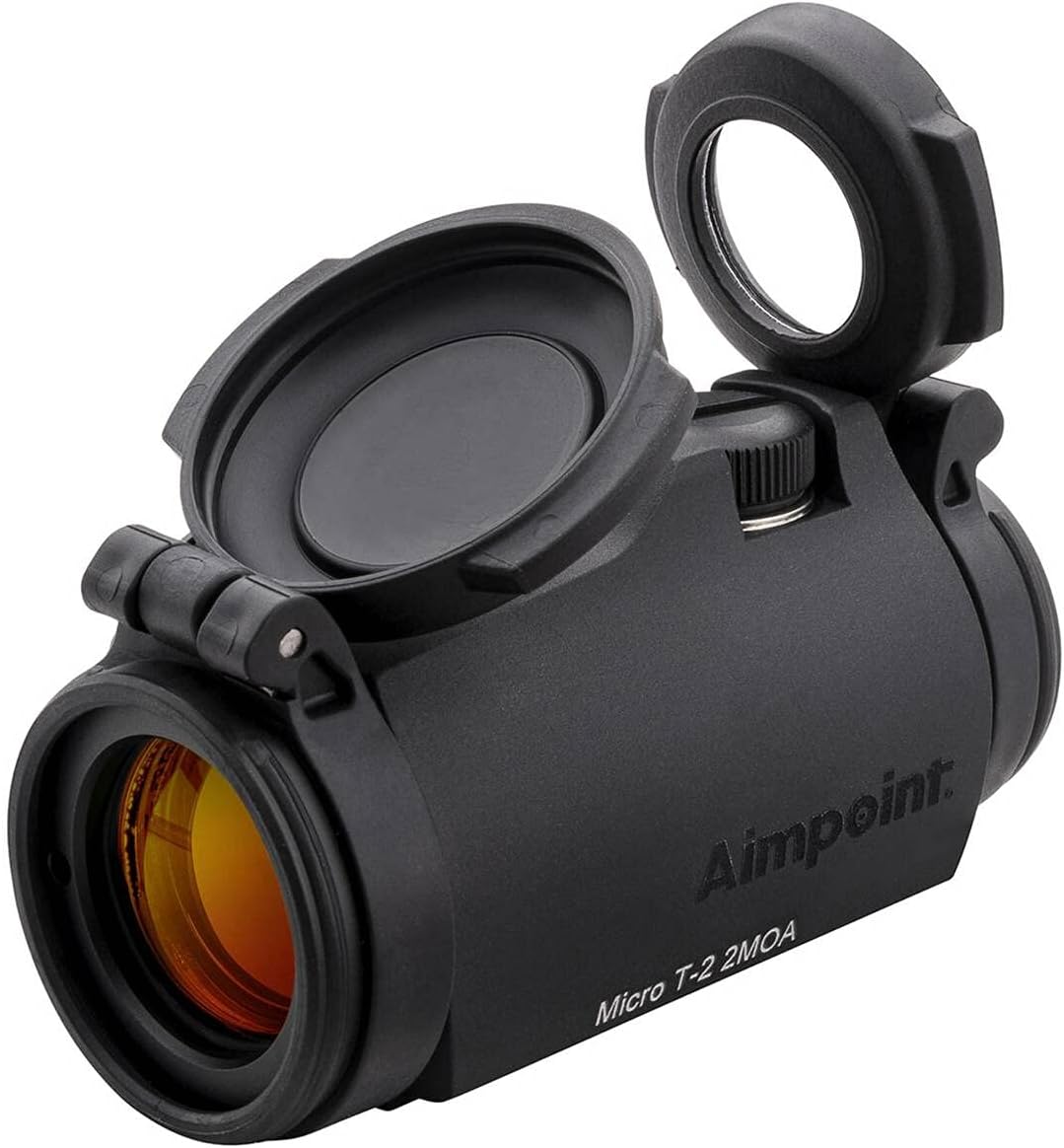
The T-2 is the gold standard for compact duty optics, and it pairs exceptionally well with the AP5 when mounted on a low-profile claw mount.
Specs:
- 2 MOA dot
- 50,000-hour battery life
- Night vision compatible
- Micro footprint (Aimpoint Micro)
- Fully sealed emitter
Pros:
- Extremely durable housing
- Minimal parallax shift
- Crisp, distortion-free glass
Cons:
- Expensive
- Requires separate mount
My hands-on notes:
On the AP5, the T-2 gives a near-perfect lower 1/3 co-witness with the right mount. Parallax is nearly nonexistent at typical PCC distances. The emitter is fully enclosed, so no occlusion issues even in rain. Button tactility is excellent—even with gloves—and the brightness dial is firm but precise.
What people say online:
Users consistently praise its reliability on MP5 clones. Reddit threads often highlight its “set-and-forget” battery life and zero shift resistance.
Mounting clarity:
Uses Aimpoint Micro footprint. Requires a low mount or MP5-specific claw mount for proper height.
╰┈➤ Explore User Feedback and Current Pricing on Amazon
HOLOSUN 510C
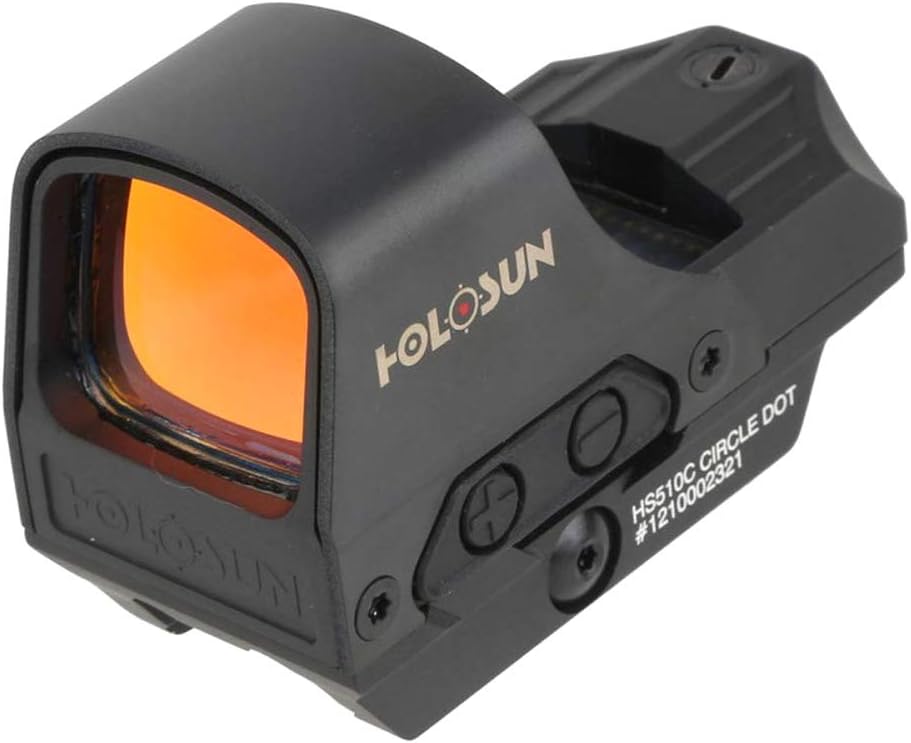
The 510C is a favorite for range and competition AP5 setups due to its large window and fast target acquisition.
Specs:
- 2 MOA dot + 65 MOA circle
- Open emitter design
- Solar backup
- QD mount included
Pros:
- Huge field of view
- Very fast acquisition
- Affordable performance
Cons:
- Open emitter vulnerable to debris
- Slight blue lens tint
My hands-on notes:
On the AP5, the wide window shines during rapid transitions. However, emitter occlusion can happen if debris enters from above. Parallax is well-controlled but not as tight as Aimpoint. The included mount sits slightly high, making co-witness less ideal unless using a specific rail setup.
What people say online:
Shooters love it for PCC competitions. Many note it’s one of the fastest optics for close-range shooting.
Mounting clarity:
Integrated Picatinny mount. Works best with low-profile MP5 rails.
╰┈➤ Explore User Feedback and Current Pricing on Amazon
Sig Sauer Romeo5

The Romeo5 is one of the best budget-friendly options that still performs reliably on the AP5 platform.
Specs:
- 2 MOA dot
- Motion-activated illumination
- 40,000-hour battery
- Aimpoint Micro footprint
Pros:
- Excellent value
- Lightweight
- Good battery life
Cons:
- Slight lens tint
- Buttons feel mushy
My hands-on notes:
The Romeo5 handles recoil well, though not as rugged as premium optics. Parallax is acceptable for close-range use. The included mounts allow flexibility, but I prefer the low mount for better cheek weld. Button feedback is soft, especially with gloves.
What people say online:
Widely recommended as a starter optic. Many users report years of reliable use on MP5 clones.
Mounting clarity:
Micro footprint; includes both low and high mounts.
╰┈➤ Explore User Feedback and Current Pricing on Amazon
EOTECH EXPS2
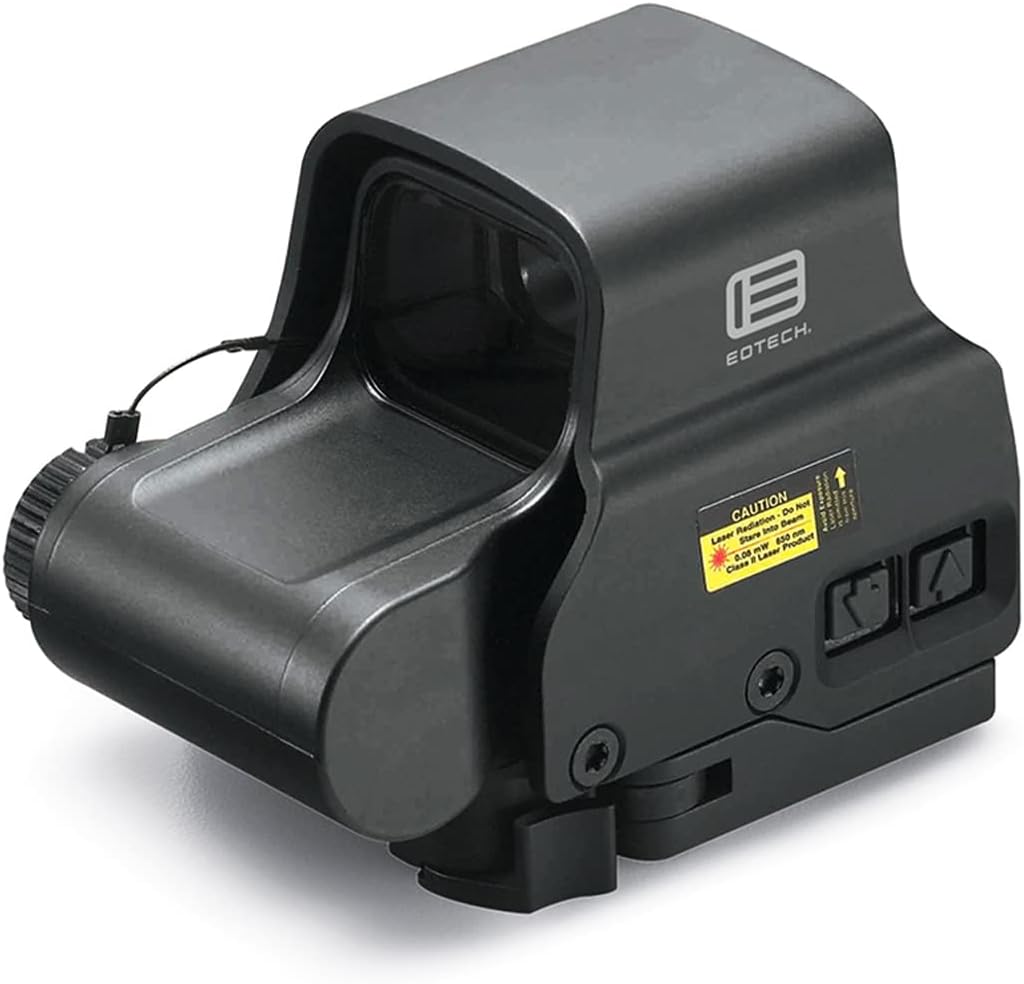
The EXPS2 offers a holographic reticle that excels in speed and situational awareness.
Specs:
- 68 MOA ring + 1 MOA dot
- Side buttons
- QD mount
- Holographic technology
Pros:
- Extremely fast reticle
- Large viewing window
- True zero parallax feel
Cons:
- Short battery life
- Bulkier than micro dots
My hands-on notes:
The EXPS2 feels fast on the AP5, especially for dynamic shooting. The window is clear with minimal distortion. Parallax is effectively negligible. However, battery changes are more frequent. The side buttons are glove-friendly and tactile.
What people say online:
Users love the reticle for close-range engagements. Some complain about battery life but accept it for performance.
Mounting clarity:
Integrated QD mount. Sits slightly high on MP5 rails—may not co-witness.
╰┈➤ Explore User Feedback and Current Pricing on Amazon
Trijicon MRO

The MRO offers durability and a large objective lens, making it a strong contender for duty-style AP5 setups.
Specs:
- 2 MOA dot
- 5-year battery life
- Fully sealed
- Proprietary footprint
Pros:
- Wide field of view
- Rugged construction
- Long battery life
Cons:
- Slight magnification effect
- Requires specific mounts
My hands-on notes:
The MRO’s larger lens gives excellent situational awareness. However, there is slight edge distortion and magnification. Parallax is well-managed. The brightness dial is stiff but usable with gloves.
What people say online:
Mixed opinions—some love the durability, others note the optical distortion.
Mounting clarity:
Requires MRO-specific mount. Choose low mount for AP5.
╰┈➤ Explore User Feedback and Current Pricing on Amazon
Primary Arms SLX MD-25
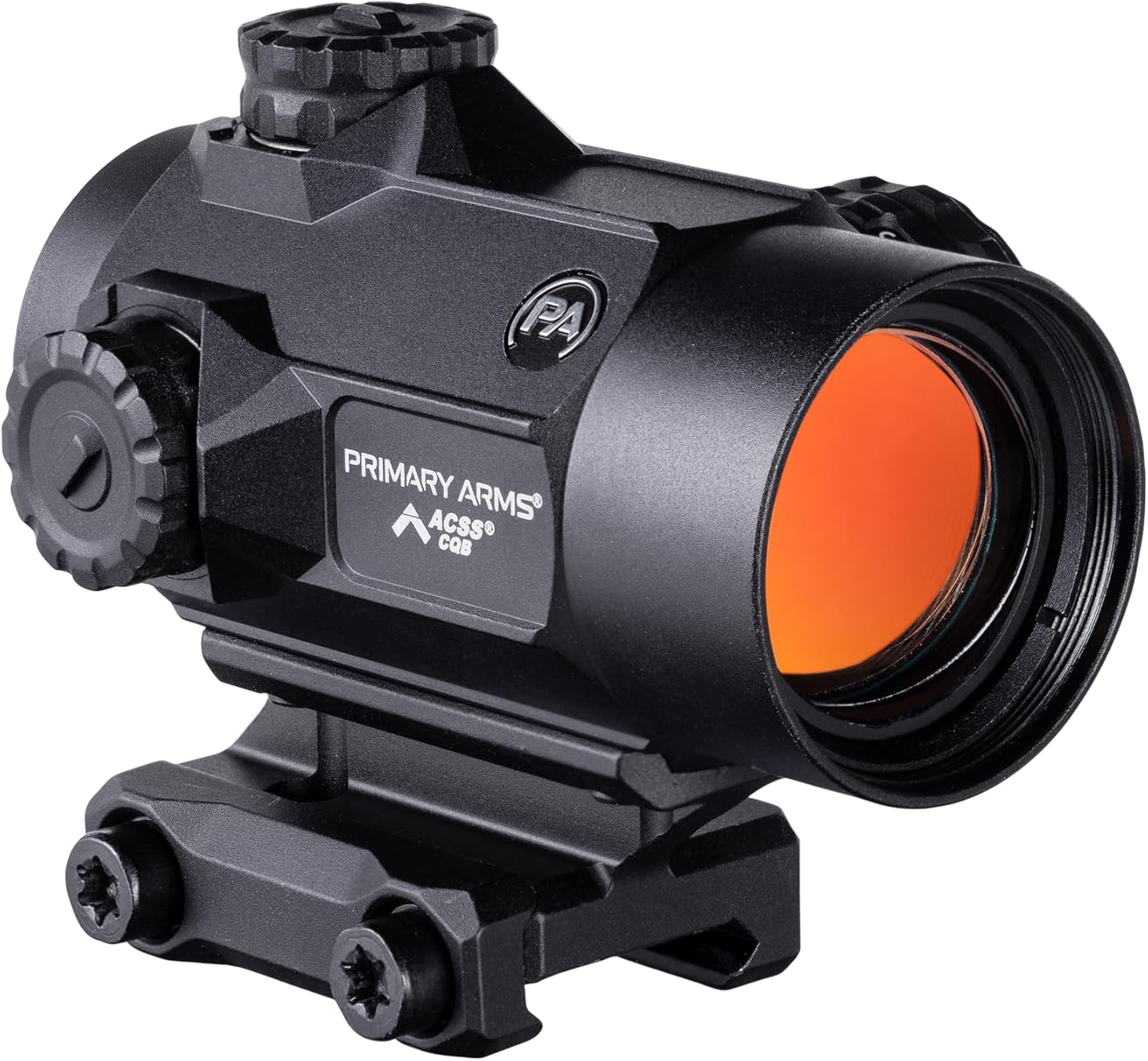
A sleeper option that offers a larger 25mm objective lens with impressive clarity for the price.
Specs:
- 2 MOA dot
- 50,000-hour battery
- AutoLive motion sensing
- Micro footprint
Pros:
- Large, clear window
- Strong value
- Good battery system
Cons:
- Slight bulk
- Not duty-grade
My hands-on notes:
The MD-25 balances size and usability well. The larger window helps on the AP5 platform. Parallax is controlled but not perfect. Buttons are responsive and easy to use with gloves. Lens tint is minimal.
What people say online:
Users often compare it favorably to more expensive optics, especially for PCC use.
Mounting clarity:
Micro footprint; works well with low mounts.
╰┈➤ Explore User Feedback and Current Pricing on Amazon
How I Tested / Evaluation Criteria
Parallax:
I tested each optic at 10–50 yards, shifting head position deliberately. The best optics showed minimal reticle movement relative to target. Poor performers showed noticeable drift, especially at closer distances.
Co-witness / deck height:
On the AP5, height matters. I evaluated how each optic aligned with standard MP5 iron sights. Lower 1/3 co-witness is ideal; absolute co-witness is rare due to platform geometry.
Durability:
Each optic was tested under recoil and simulated impact conditions. Roller-delayed systems create a unique impulse that can expose weak internals.
Battery:
I tracked runtime claims vs real-world usage. Auto-off and motion activation features were evaluated for reliability.
Brightness range:
From indoor low-light to bright outdoor sun, I tested visibility and bloom. Some optics washed out under direct sunlight.
Glass quality:
I evaluated tint, distortion, and clarity. Blue tint and edge warping were common issues.
Controls ergonomics:
Buttons and dials were tested with gloves. Tactility and placement matter more than you think on a PCC.
Mounting ecosystem:
Compatibility with MP5 claw mounts and rail systems was critical. Footprint versatility adds long-term value.
How to Choose the Right Red Dot for This Gun
Choosing the right optic for an AP5 is very different from choosing one for an AR-15. The mounting system alone changes everything. The AP5 relies on a claw mount or rail adapter, which adds height and affects your cheek weld significantly. Because of this, I always prioritize optics that sit low or offer flexible mounting options like the Aimpoint Micro footprint.
Another key factor is co-witness. Unlike AR platforms, achieving a perfect co-witness on an AP5 is tricky. You’re usually aiming for a lower 1/3 co-witness at best. This means optic height and mount selection matter just as much as the optic itself.
Durability is also critical. The roller-delayed blowback system produces a sharp recoil impulse that can shake lesser optics apart over time. I’ve seen cheaper red dots lose zero or flicker under sustained fire.
Emitter design plays a role too. Open emitters can get obstructed easily, especially in outdoor conditions. If you plan to run your AP5 in less-than-ideal environments, a closed emitter is the safer choice.
Window size is another tradeoff. Larger windows like the Holosun 510C offer faster target acquisition but often sit higher and expose the emitter. Smaller enclosed optics like the T-2 are more rugged but slightly slower to acquire.
Finally, consider battery and controls. An optic with long battery life and intuitive controls reduces friction during use. Motion activation is a bonus, especially for defensive setups.
FAQs
1. Do I need a special mount for the AP5?
Yes. Most setups require an MP5 claw mount or rail adapter.
2. Can I co-witness with iron sights?
Partial co-witness is possible, but full co-witness is rare.
3. Are holographic sights better for AP5?
They offer speed but are bulkier and consume more battery.
4. Is a closed emitter necessary?
Not required, but highly recommended for durability.
5. What’s the ideal dot size?
2 MOA is the best balance for precision and speed.
Conclusion
Finding the Best Red Dot for AP5 comes down to balancing durability, mounting height, and optical clarity. After extensive testing, the Aimpoint Micro T-2 stands out for duty use, while options like the Holosun 510C and Primary Arms MD-25 offer excellent performance for the price.
If you prioritize ruggedness and reliability, go with a closed emitter optic. If speed and field of view matter more, a larger window optic may suit you better. Either way, choosing the right optic will dramatically improve your AP5 shooting experience.