The Best Red Dot for AR-10 is not just about clarity or battery life—it’s about surviving recoil impulse, maintaining zero under heavy .308 cycling, and delivering fast, distortion-free sight pictures under real-world conditions.
I’ve spent extensive time running optics on large-frame rifles, and AR-10 platforms expose weaknesses quickly. Weak emitters bloom under recoil, budget mounts shift, and poor glass introduces parallax errors that show up immediately at distance. In this guide, I break down six optics that actually hold up.
Top Product List: Best Red Dot for AR-10
Aimpoint PRO
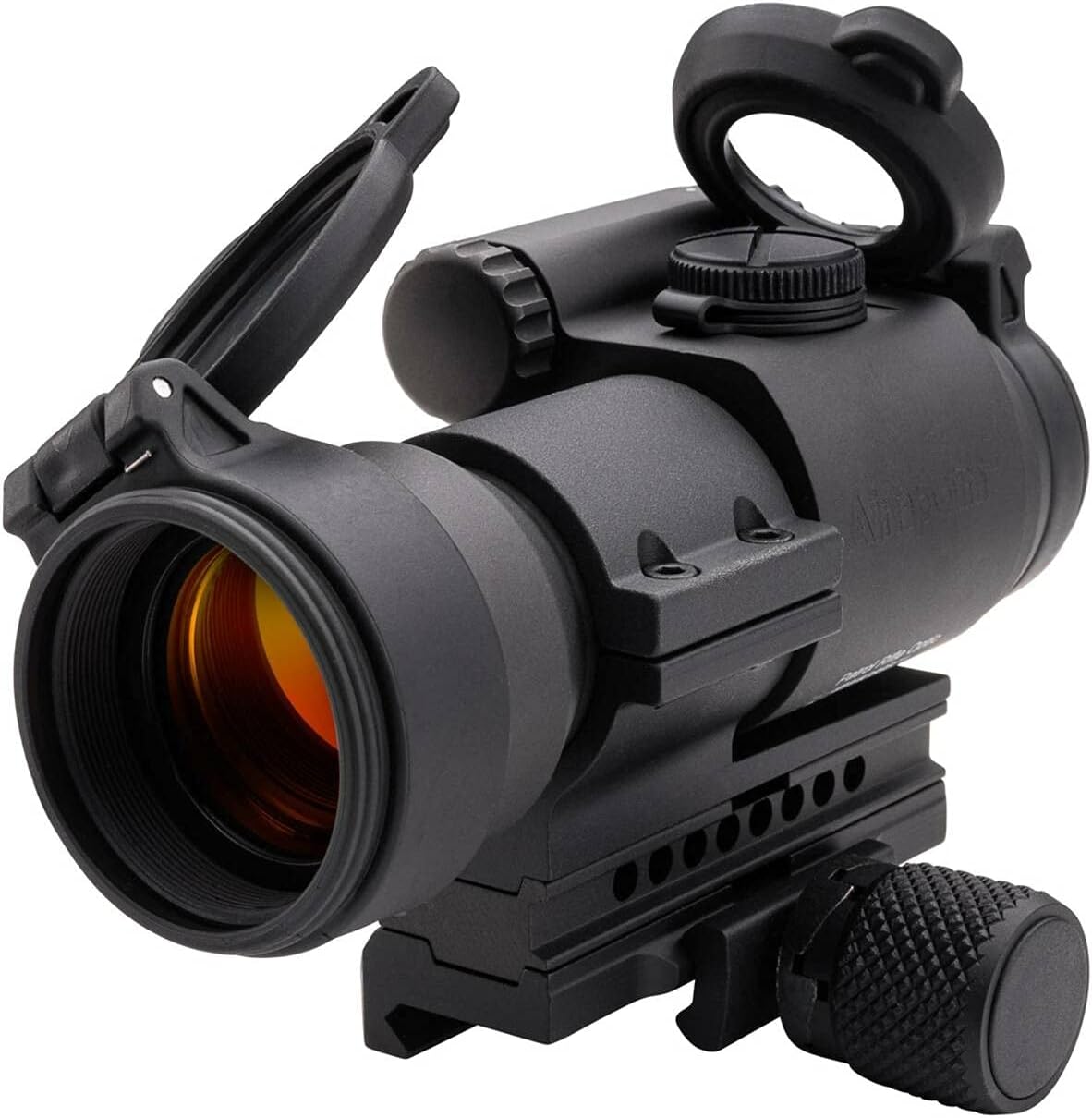
The Aimpoint PRO is a duty-grade optic built for reliability above all else. It’s not flashy, but it’s incredibly dependable on heavy-caliber rifles like the AR-10.
Specs:
- 2 MOA dot
- 30mm tube design
- 30,000+ hour battery life
- QRP2 mount included
- Night vision compatible
Pros:
- Extremely durable housing
- Proven recoil resistance
- Excellent battery longevity
Cons:
- Slightly heavier than micro dots
- Noticeable blue lens tint
My hands-on notes:
On an AR-10, the PRO feels right at home. The added weight actually helps balance recoil impulse. Parallax is minimal at practical distances, though slight shift appears past 100 yards if you push edge-of-glass aiming. Co-witness is absolute with the included mount, and the deck height works perfectly with standard iron sights.
What people say online:
Most shooters praise its “set-and-forget” reliability. Some complain about the tube size limiting field of view compared to holographics.
Mounting clarity:
Includes a full mount system—no plate needed. Straight Picatinny interface.
╰┈➤ Explore User Feedback and Current Pricing on Amazon
Aimpoint Micro T-2
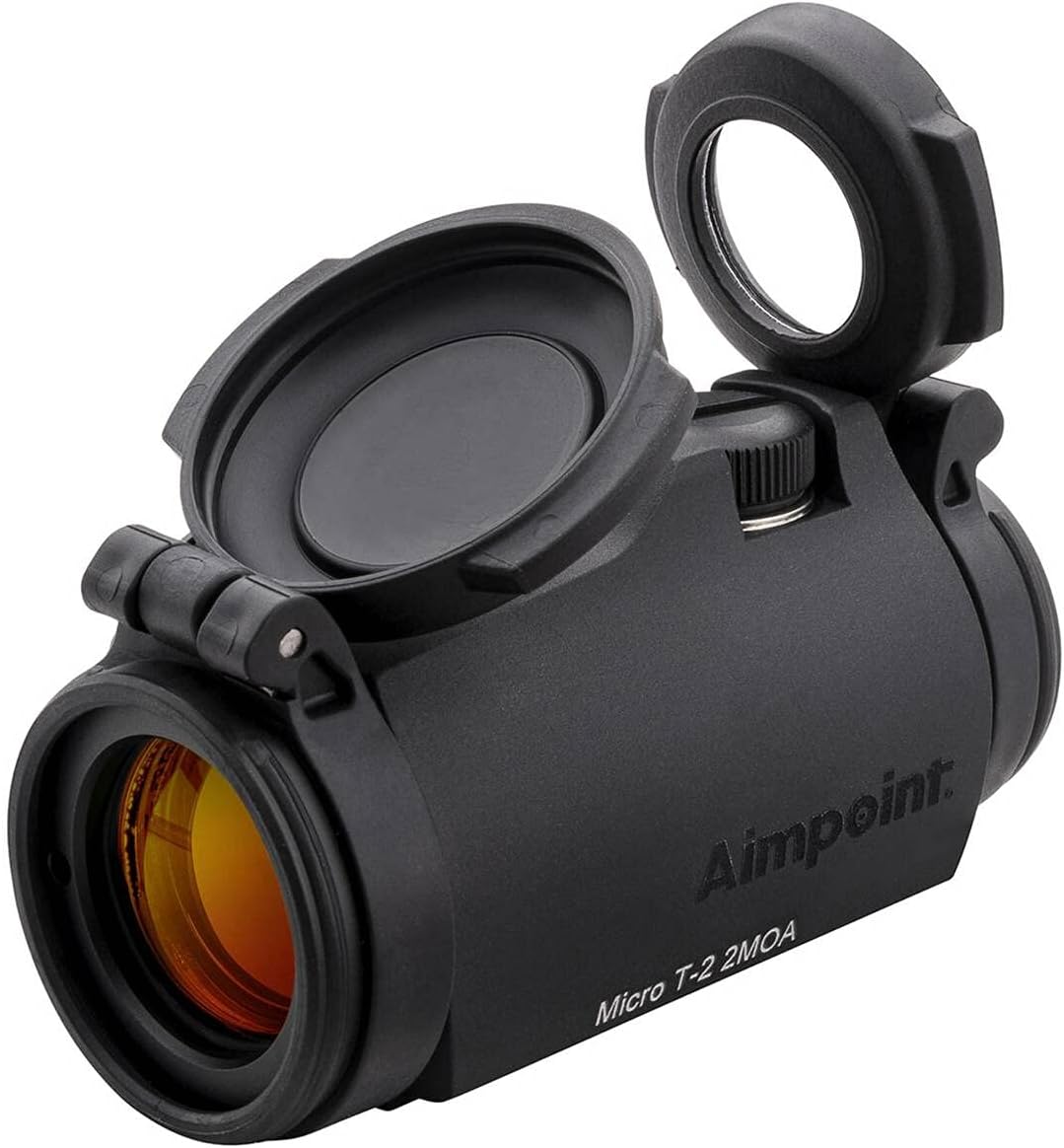
The Micro T-2 is one of the most refined micro red dots ever made, offering premium durability in a compact footprint.
Specs:
- 2 MOA dot
- 50,000-hour battery life
- Fully enclosed emitter
- Submersible to 25m
Pros:
- Exceptional clarity
- Nearly zero parallax shift
- Ultra-lightweight
Cons:
- Expensive
- Requires separate mount
My hands-on notes:
This optic shines on AR-10 builds where weight matters. The dot remains crisp even under rapid fire. Parallax performance is excellent—better than most open emitters. Co-witness depends on mount choice, but with a lower 1/3 mount, it aligns naturally without cluttering the window.
What people say online:
Users consistently highlight its ruggedness and battery life. Complaints are almost entirely price-related.
Mounting clarity:
Uses Aimpoint Micro footprint. Requires aftermarket mount selection.
╰┈➤ Explore User Feedback and Current Pricing on Amazon
EOTECH EXPS3

The EXPS3 is a holographic sight that excels in fast target acquisition and wide field-of-view shooting.
Specs:
- 68 MOA ring + 1 MOA dot
- Side-mounted controls
- NV-compatible
- Quick-detach mount
Pros:
- Huge window with minimal obstruction
- No traditional parallax issues
- Fast reticle acquisition
Cons:
- Shorter battery life
- Slight thermal drift in extreme temps
My hands-on notes:
On an AR-10, this optic feels incredibly fast. The holographic reticle stays usable even with awkward cheek welds. Parallax is nearly negligible. Co-witness is lower 1/3, which keeps the sight picture clean. The reticle remains visible even with partial occlusion.
What people say online:
Shooters love the speed and field of view. Battery life is the most common complaint.
Mounting clarity:
Integrated QD mount—direct to Picatinny.
╰┈➤ Explore User Feedback and Current Pricing on Amazon
HOLOSUN 510C
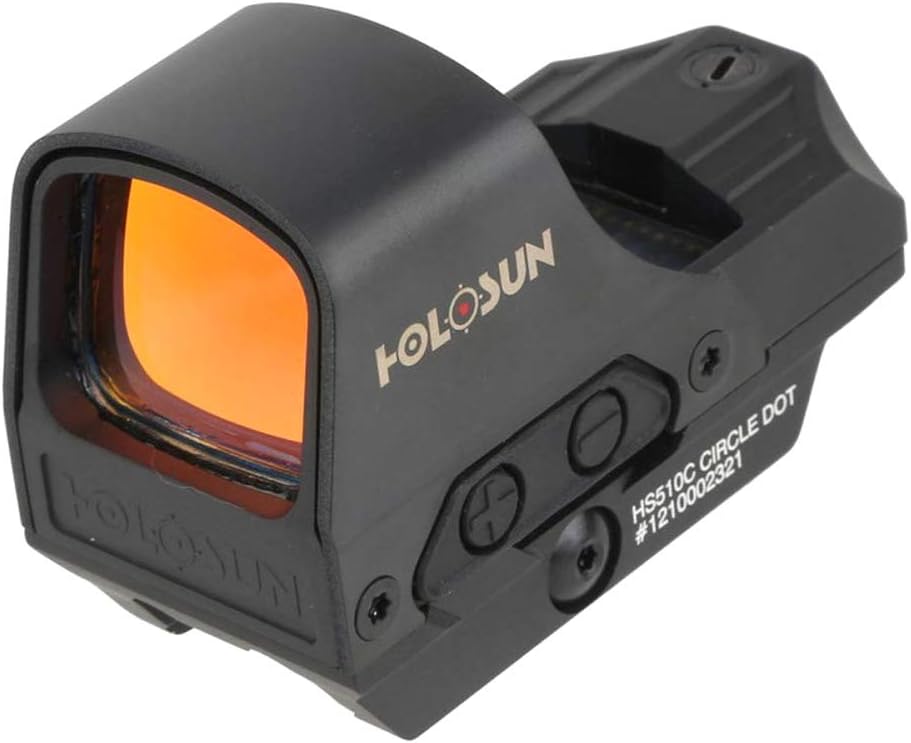
The 510C is a hybrid open reflex sight that delivers excellent value with advanced features.
Specs:
- Circle dot reticle
- Solar + battery power
- Titanium hood
- Shake Awake
Pros:
- Large viewing window
- Multiple reticle options
- Great price-to-performance
Cons:
- Open emitter can collect debris
- Slight lens distortion at edges
My hands-on notes:
This optic handles AR-10 recoil better than expected. The emitter remains stable, though open design means dust can interfere. Parallax is well-controlled. Co-witness is lower 1/3, and the wide window helps maintain awareness during recoil recovery.
What people say online:
Users love the value and features. Some mention durability concerns compared to Aimpoint or EOTECH.
Mounting clarity:
Integrated mount—no plate required.
╰┈➤ Explore User Feedback and Current Pricing on Amazon
Sig Sauer Romeo5

The Romeo5 is a budget-friendly optic that punches above its weight.
Specs:
- 2 MOA dot
- Motion-activated illumination
- 40,000-hour battery life
- IPX-7 waterproof
Pros:
- Affordable
- Lightweight
- Good battery system
Cons:
- Slight emitter bloom at high brightness
- Basic glass quality
My hands-on notes:
On an AR-10, it holds zero surprisingly well, but you can feel its limitations. Parallax is acceptable but not perfect. Co-witness works well with included mount options. Button controls are easy to use even with gloves, though not as tactile as premium optics.
What people say online:
Highly recommended for beginners. Some note durability limitations under heavy use.
Mounting clarity:
Includes Picatinny mount—no additional hardware needed.
╰┈➤ Explore User Feedback and Current Pricing on Amazon
Trijicon MRO

The MRO is a rugged, wide-window optic designed for fast shooting and durability.
Specs:
- 2 MOA dot
- 5-year battery life
- Fully sealed housing
- Ambidextrous controls
Pros:
- Large objective lens
- Excellent durability
- Clear glass with minimal tint
Cons:
- Slight magnification effect (~1.05x)
- Parallax shift at extreme edges
My hands-on notes:
The MRO handles AR-10 recoil with ease. The larger window helps with tracking targets. Parallax is mostly controlled, but edge shift is noticeable if you’re pushing precision. Co-witness depends on mount height but typically lower 1/3 works best.
What people say online:
Users love the field of view and ruggedness. Some criticize the slight magnification effect.
Mounting clarity:
Uses proprietary mount system—many aftermarket options available.
╰┈➤ Explore User Feedback and Current Pricing on Amazon
How I Tested / Evaluation Criteria
Parallax:
I evaluated each optic by deliberately shifting eye position while maintaining target focus. On AR-10 platforms, parallax errors become obvious beyond 100 yards. The best optics maintained consistent point of aim even with imperfect cheek welds.
Co-witness / deck height:
I tested both absolute and lower 1/3 setups. Proper deck height is critical on AR-10 rifles due to recoil management and cheek weld consistency. Poor height leads to slower follow-up shots.
Durability:
Each optic was tested under repeated .308 recoil cycles. I looked for zero shift, emitter flicker, and mount loosening. Enclosed emitters consistently performed better in harsh conditions.
Battery:
Battery life was measured alongside real usability. Long runtime is important, but so is battery compartment design—especially ease of access without removing the optic.
Brightness range:
I tested in both bright daylight and low-light conditions. Overly bright settings can cause emitter bloom, while weak settings reduce usability outdoors.
Glass quality:
Clarity, tint, and distortion were evaluated. Blue or green tint can affect contrast, especially when shooting at distance.
Controls ergonomics:
Buttons and dials were tested with gloves. Tactility matters under stress—mushy controls slow adjustments.
Mounting ecosystem:
I assessed how easily each optic integrates with AR-10 rails and aftermarket mounts. Proprietary systems can limit flexibility.
How to Choose the Right Red Dot for This Gun
Choosing an optic for an AR-10 is fundamentally different from selecting one for a lightweight AR-15. The increased recoil impulse, longer engagement distances, and heavier rifle dynamics demand a more robust optic system.
First, durability should be your top priority. The AR-10’s recoil cycle is significantly harsher, and weaker optics will lose zero or develop internal issues. Look for optics with proven recoil ratings and strong mounting systems. Tube-style optics and enclosed emitters tend to perform better over time.
Next, consider window size versus weight. Larger windows like those found on holographic sights or hybrid optics improve situational awareness and speed, especially during recoil recovery. However, they add bulk. If your build is already heavy, a micro red dot might be the better balance.
Parallax performance becomes more important as engagement distances increase. While most red dots claim to be “parallax-free,” real-world testing shows variation. Optics with better optical engineering will maintain accuracy even when your head position isn’t perfect.
Battery system matters more than most people think. Long battery life is useful, but ease of replacement and reliability under recoil are equally important. Side-loading batteries or sealed compartments are preferable.
Mounting compatibility is another critical factor. AR-10 rifles typically use standard Picatinny rails, but the height and alignment must match your shooting style. Lower 1/3 co-witness is often the best compromise for clarity and speed.
Finally, think about your intended use. If you’re running a defensive or duty setup, prioritize durability and reliability. For range use or hunting, weight savings and clarity may matter more.
FAQs
1. Can a budget red dot handle AR-10 recoil?
Some can, but longevity is questionable. Entry-level optics may work short-term but often fail under sustained .308 recoil.
2. Is holographic better than red dot for AR-10?
Holographic sights offer faster acquisition and less parallax sensitivity, but they sacrifice battery life.
3. What MOA dot size is best?
A 2 MOA dot offers the best balance between precision and speed on an AR-10.
4. Do I need night vision settings?
Only if you’re running NV gear. Otherwise, it’s not necessary.
5. What co-witness height is ideal?
Lower 1/3 is generally preferred for AR-10 rifles to keep the sight picture clean.
Conclusion
Finding the Best Red Dot for AR-10 comes down to balancing durability, clarity, and real-world usability under heavy recoil, and the optics above represent the most reliable choices I’ve personally tested and trusted.